 +371 27 77 66 13


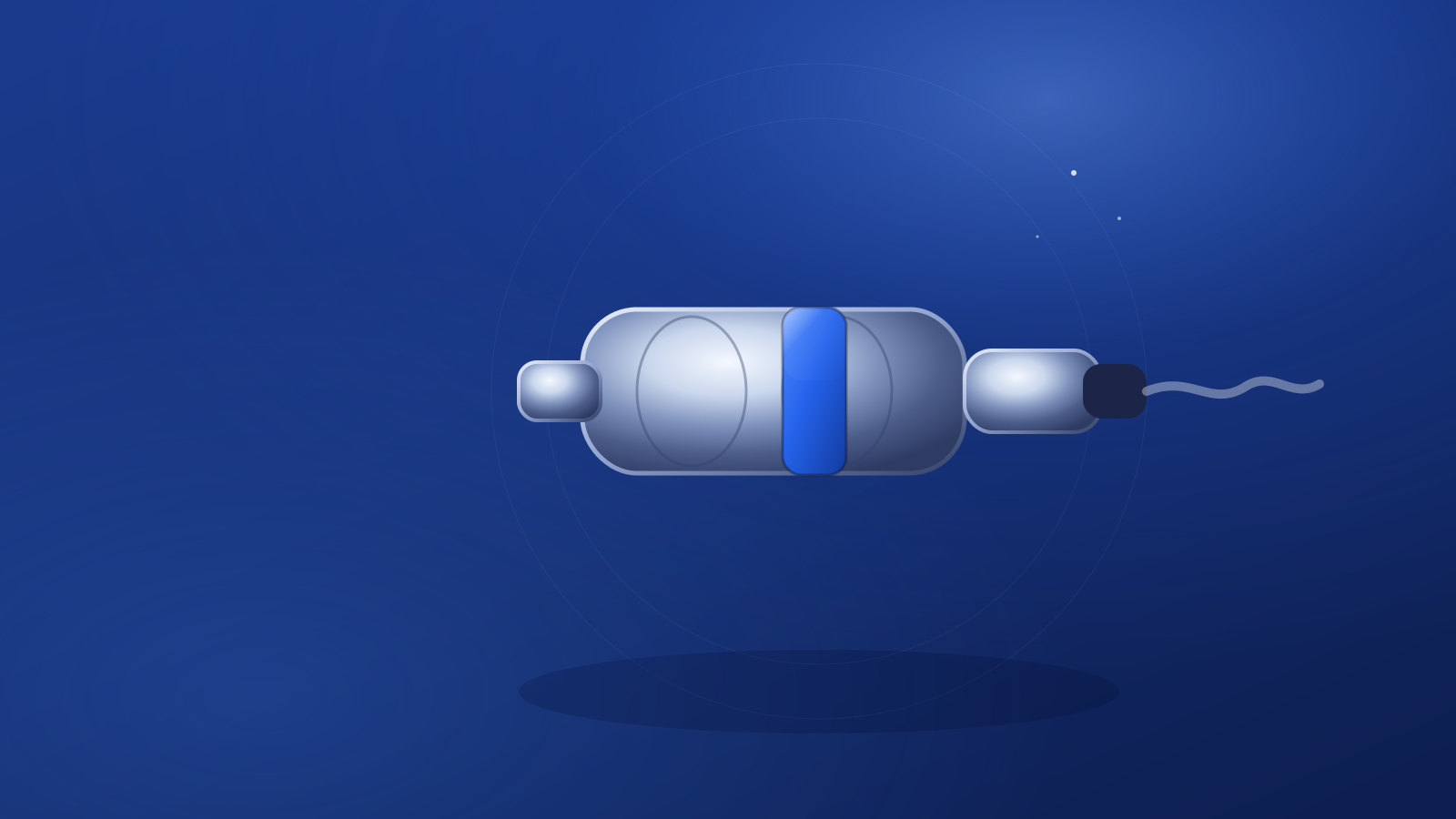
The exhaust system runs from the engine to the rear of the car as a single connected path, so a fault anywhere along it tends to produce a noticeable symptom - usually noise - even when the actual cause is small and inexpensive. This guide covers the main components, how to read the specific type of noise or smell you are noticing, and which parts are reasonable to buy used versus which are worth buying new.
Exhaust gaskets and clamps - a cheap, common source of ticking or leaking sounds
A ticking sound that changes with engine speed, especially noticeable at startup before it warms up, is very often a small exhaust leak at a gasket or joint rather than anything more serious. Because gaskets are inexpensive and the fix is straightforward once located, this is worth ruling out before assuming a bigger component has failed.
The muffler and resonator - mostly about corrosion, not mechanical wear
Mufflers and resonators fail primarily through internal rust and corrosion rather than mechanical wear, which means a used unit's condition genuinely depends on the climate and road-salt exposure of the vehicle it came from rather than mileage alone. A used muffler from a donor vehicle that lived in a drier climate can outlast a much newer one from a heavily salted region, so asking about the donor's location and condition is more useful than asking about mileage.
The catalytic converter - a part where condition and authenticity both matter
A failing catalytic converter typically shows up as reduced engine performance, a rattling sound from loose internal material, or a failed emissions test rather than an obvious leak noise, and because catalytic converters contain valuable precious metals, verifying you are getting a genuine, undamaged unit matters more here than with most other exhaust parts. A used converter should be tested for flow restriction and rattling internal material before being considered a reliable purchase.
The oxygen sensor and why it is unrelated to the catalytic converter's mechanical condition
An oxygen sensor fault can produce symptoms that resemble catalytic converter failure - reduced fuel efficiency, a check engine light, rough idle - without any actual damage to the converter itself, since the sensor and the converter are separate parts that happen to sit near each other in the exhaust path. Checking the specific diagnostic code before ordering avoids replacing an expensive converter when the actual fault is a comparatively cheap sensor.
Flex pipes and why they fail differently from the rest of the system
The flexible section of pipe, usually located near the front of the exhaust system, absorbs engine movement and vibration and is prone to fatigue cracking at the point where the flexible braid meets the rigid pipe on either side. A cracked flex pipe produces a distinctive droning or rattling noise under acceleration that is worth distinguishing from a leak elsewhere in the system, since flex pipes fail from metal fatigue rather than corrosion.
Hangers and mounts - inexpensive parts that prevent bigger damage
Rubber exhaust hangers degrade with age and heat exposure, and a failed hanger lets the exhaust system sag or swing, which can cause it to contact the underbody or heat shields and produce a rattling or scraping noise that has nothing to do with the exhaust pipe itself being damaged. Replacing hangers proactively when they show visible cracking is inexpensive and prevents the sagging system from causing secondary damage elsewhere.
Why a change in exhaust sound is worth investigating promptly
Beyond noise, a genuine exhaust leak can allow exhaust gases to enter the cabin in some vehicle layouts, which is a real safety concern rather than just an annoyance, making it worth having any new or worsening exhaust noise checked rather than living with it. This is one of the few blog topics on this site where the underlying issue can have a health and safety dimension, not just a mechanical one.
Matching the right exhaust section for your engine variant
Exhaust systems often differ between engine variants of the same model - different pipe diameters, different catalytic converter specifications for different power outputs, or different muffler designs for manual versus automatic transmissions - so checking your specific engine code before ordering avoids receiving a part that does not bolt up correctly or match your emissions specification.
Browse exhaust system parts here. Not sure what is causing your exhaust noise - contact us describing when it happens and what it sounds like.
Frequently Asked Questions
- My exhaust ticks at startup - is that serious?
- Usually not - it's a common sign of a small leak at a gasket or joint, which is inexpensive to fix once located, especially if the sound fades as the engine warms up.
- Is a used muffler a safe buy?
- Condition depends more on the donor vehicle's climate and road-salt exposure than on mileage, since mufflers fail mainly through corrosion rather than mechanical wear.
- Does a check engine light always mean the catalytic converter has failed?
- No - an oxygen sensor fault produces similar symptoms without damaging the converter, so checking the specific diagnostic code first avoids an unnecessary converter replacement.
- What does a cracked flex pipe sound like?
- A distinctive droning or rattling noise under acceleration, caused by metal fatigue at the joint between the flexible braid and the rigid pipe, rather than corrosion.
- Should I worry about exhaust smell inside the car?
- Yes - unlike most noise-only exhaust symptoms, a smell inside the cabin can mean exhaust gases are entering the car, which is a genuine safety issue worth checking immediately.