 +371 27 77 66 13


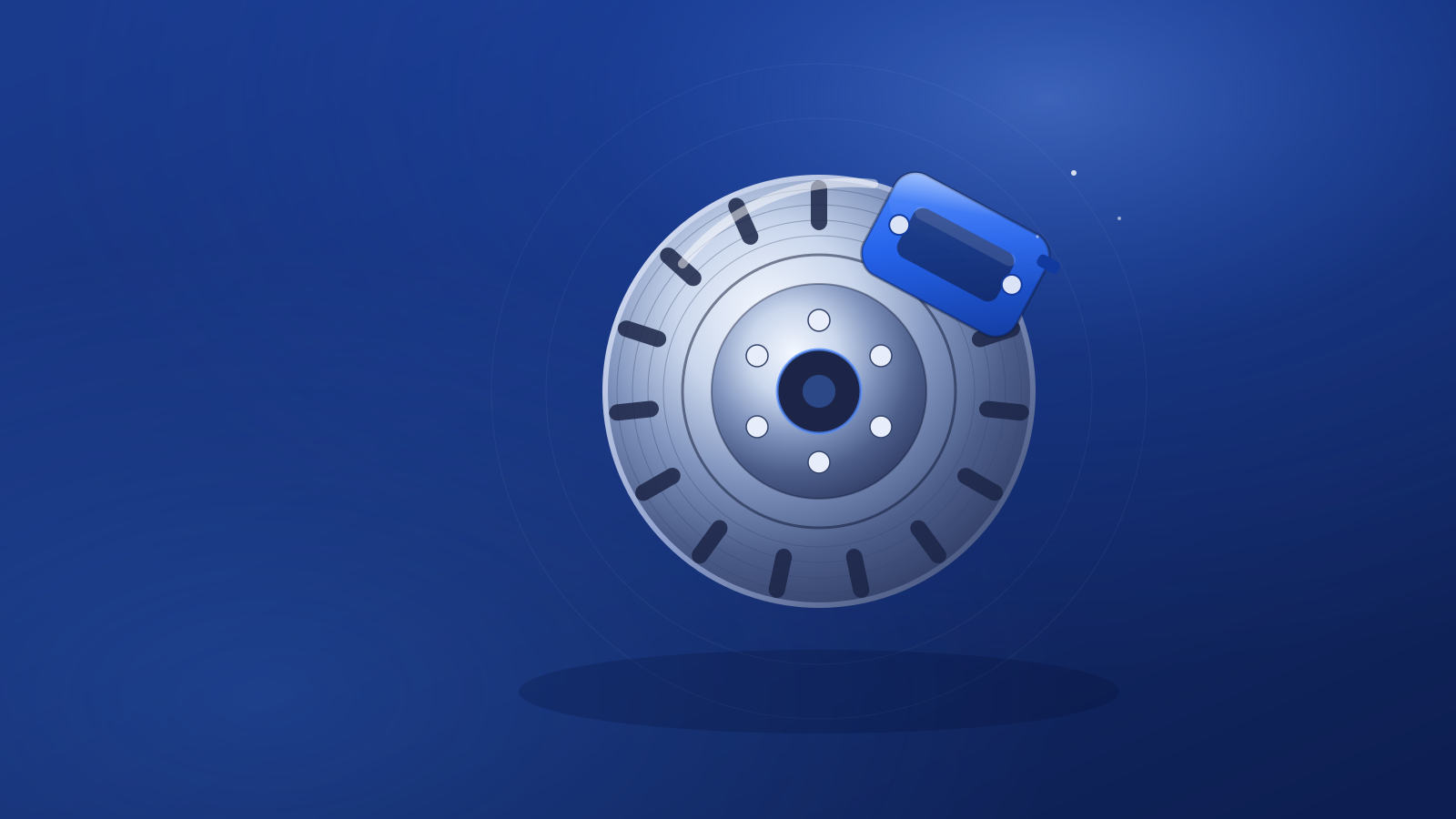
The brake system is the single most safety-critical part category in the whole catalogue, which makes the used-versus-new question here simpler than almost anywhere else: for the parts that actually stop the car, new is nearly always the right answer. This guide explains why, and covers the smaller number of brake system parts where used genuinely makes sense.
Discs and pads - almost always new
Brake discs and pads wear by design, and their remaining life is impossible to judge reliably from outside without precision measuring tools most buyers don't have - a disc that looks fine can be dangerously close to its minimum thickness. The price difference between used and new for pads and discs is usually too small relative to the risk to justify buying used at all.
Calipers and how they're inspected
A caliper's main failure mode is a seized piston or a leaking seal, both of which a specialist can test before sale by checking piston movement and looking for fluid residue around the seal. A used caliper that's been tested this way is a reasonable purchase, since the failure modes are visible and testable, unlike the wear inside a disc or pad.
Brake hoses and lines
A brake hose that's cracked, bulging, or shows any sign of fluid seepage should never be reused regardless of the rest of the vehicle's condition, since a hose failure means sudden and complete loss of braking on that wheel. Rigid brake lines are more durable but still worth inspecting for rust, especially near the underbody where road salt accumulates.
Brake fluid and why it matters
Brake fluid absorbs moisture from the air over time even in a sealed system, and moisture in the fluid lowers its boiling point, which can cause a spongy or fading pedal feel under hard braking exactly when stopping power matters most. This is why brake fluid has its own replacement interval separate from pad and disc wear, typically every two years regardless of how the pedal feels.
How to tell your brakes need attention
A squealing noise under normal braking is usually the pad's built-in wear indicator doing its job, while a grinding metallic sound means the pad has worn through completely and metal is now contacting the disc directly - a much more urgent situation. A pedal that feels soft or sinks slowly to the floor points to air or moisture in the brake lines rather than worn pads.
Why brake parts rarely use the used option
Unlike most other categories in this catalogue, the brake system's failure consequence is immediate and severe rather than a gradual inconvenience, which changes the entire cost-benefit calculation - a part that would be a sensible used purchase elsewhere isn't automatically sensible here just because the mechanism is similar. This is a deliberate, safety-driven exception to the general used-parts philosophy, not an oversight.
How vehicle weight and usage affect brake part choice
A heavier vehicle, or one regularly used for towing or carrying heavy loads, wears through pads and discs noticeably faster than the same model driven lightly loaded, which is worth factoring in when deciding how often to check for wear rather than relying purely on a fixed mileage interval. Frequent stop-and-go city driving also wears brakes faster than steady motorway driving at the same total mileage.
Choosing the right disc and pad specification for your car
Some cars have different disc sizes or pad compounds between trim levels or engine variants of the same model, so it's worth checking your car's exact specification rather than assuming any disc that fits the wheel bolt pattern is correct. A mismatched pad compound can cause premature wear or reduced braking performance even if it physically fits the caliper.
Browse brake parts here. Not sure which part fits your car - contact us with the make, model and year.
Frequently Asked Questions
- Should I buy used brake discs and pads?
- No - these wear by design and remaining life can't be judged reliably by eye, so new is the safer choice for this specific category.
- Is a used brake caliper safe?
- Yes, if it's been tested for piston movement and seal leaks before sale - these failure modes are visible and testable.
- Why do my brakes feel spongy?
- Usually air or moisture in the brake lines or fluid - this is a fluid or line issue, not worn pads.
- How often should brake fluid be changed?
- Typically every two years, regardless of how the pedal feels, since fluid absorbs moisture over time even in a sealed system.
- Why do my brakes wear out faster than expected?
- Heavier loads, towing, or frequent city stop-and-go driving all accelerate wear compared to steady motorway driving.